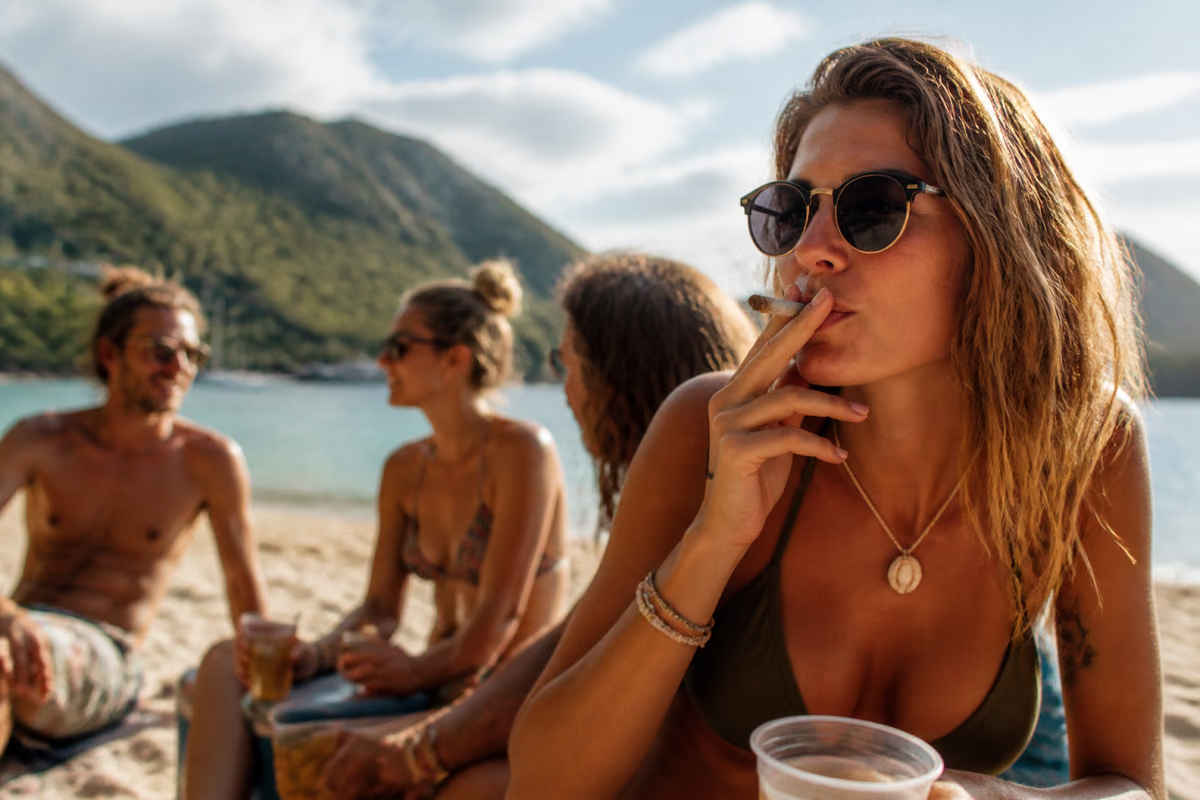
Antigua and Barbuda wants to become a cannabis tourism hotspot. The proposal comes from the leader of the island nation's Nyabinghi Order, who argues that its climate, nature and Rastafari roots could become a distinct tourism product. Cannabis tourism is travel centered on cannabis culture, education or legal consumption. The idea matters because this Caribbean country already draws visitors from around the world. It also has a working cannabis law to build on.
Why Antigua and Barbuda Thinks It Can Stand Out
Antigua and Barbuda is an independent nation made up of two islands in the Caribbean. It is already a major international destination. Visitors come for its 365 beaches, festivals, world-class sailing, food and culture. Now part of its young cannabis industry wants to add one more reason to book a flight.
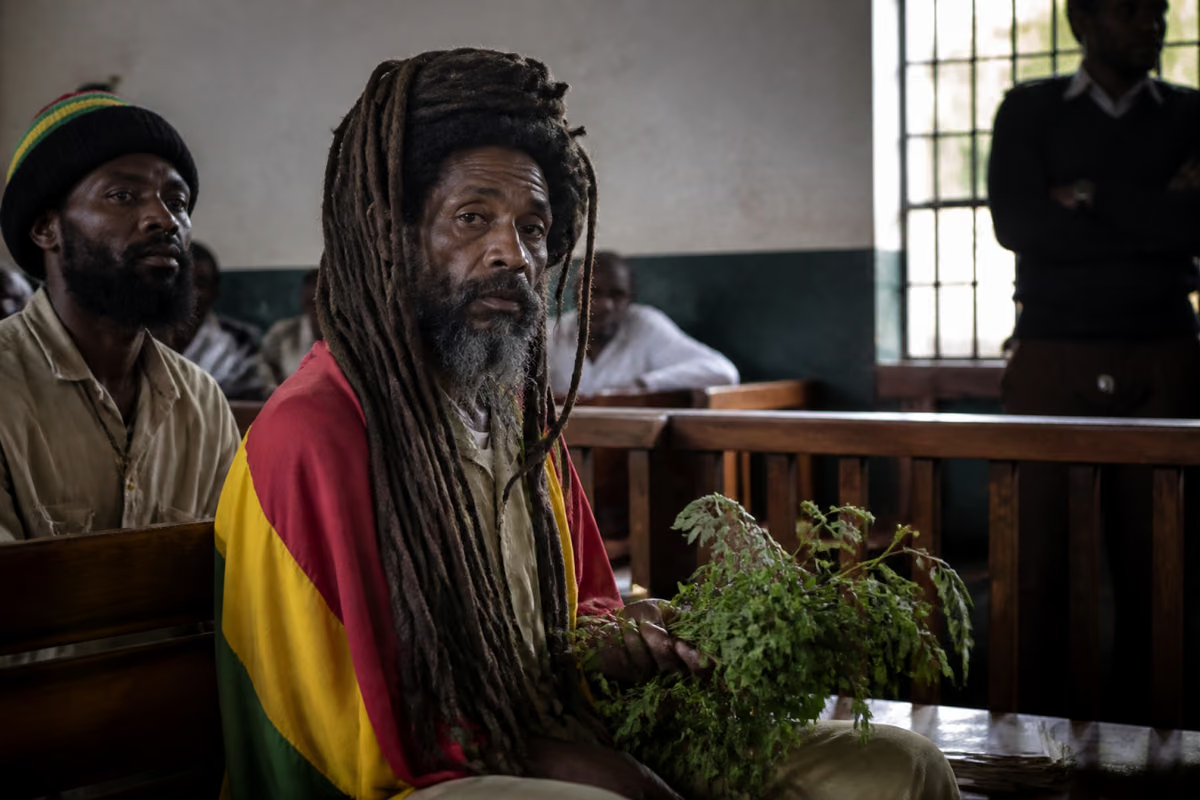
The push came from High Priest Selah, also known as Conneal Christian. He leads the Nyabinghi Order in Antigua, which is the oldest and most traditional branch of the Rastafari movement. Rastafari is a spiritual movement that began in Jamaica and treats cannabis as a sacrament. Selah argues that three things together give the country an edge:
- Tropical climate: warm, sunny conditions that suit cannabis cultivation
- Natural environment: scenery that already sells tourism packages
- Rastafari heritage: cultural authenticity that competitors can't copy
Local broadcaster ZIZ Broadcasting described the shift this way:
"Antigua and Barbuda's evolving cannabis sector is increasingly moving beyond the initial debate over legalization and cultivation, with recent developments placing new attention on cannabis tourism, public education and the country's ability to turn its existing regulatory framework into broader economic and social opportunities."
We like that framing. Heritage that grows out of real culture beats a gimmick every time.
The Legal Framework Behind the Tourism Push
Antigua and Barbuda's cannabis tourism ambitions rest on the Cannabis Act of 2018. The law regulates cannabis for religious use by documented members of registered religious organizations, which protects their constitutional rights. It also regulates cannabis for medicinal and scientific use. It is not a recreational free-for-all, so any tourism product would have to work within these limits or within future reforms.
The Act also created the Antigua and Barbuda Medicinal Cannabis Authority, the government body that licenses and oversees the national cannabis industry. Lawmakers modernized the rules with amendments in 2021 and 2022.
| Metric | Figure |
|---|---|
| National population | About 95,000 |
| Registered medical cannabis patients | More than 5,000 (around 5% of residents) |
| Licensed dispensaries | 2 |
| Projected global cannabis tourism market by 2030 | $23.7 billion (Grand View Research) |
A dispensary is a licensed outlet that legally sells cannabis to authorized buyers. The patient numbers show strong local demand. Two dispensaries, however, show how much infrastructure still has to be built. For a small island economy, even a small share of a $23.7 billion global market would be serious money.
Frequently asked questions
Is recreational cannabis legal in Antigua and Barbuda?
No. The Cannabis Act of 2018 regulates cannabis for religious use by documented members of registered religious organizations, plus medicinal and scientific use. The country amended its rules in 2021 and 2022. Visitors should check the current regulations carefully before assuming that any form of use is permitted.
Who proposed cannabis tourism for Antigua and Barbuda?
High Priest Selah, also known as Conneal Christian, made the proposal. He leads the Nyabinghi Order in Antigua. He argues that the nation's tropical climate, natural environment and Rastafari heritage could be developed into a distinct cannabis tourism product. That product would set the islands apart from other Caribbean destinations.
What does the Medicinal Cannabis Authority do?
The Antigua and Barbuda Medicinal Cannabis Authority was created under the Cannabis Act of 2018. It oversees the country's cannabis industry, including licensing and regulation. According to its website, the nation has more than 5,000 registered medical cannabis patients and two licensed dispensaries serving them.
How big could the cannabis tourism market get?
Analysts at Grand View Research estimate that the global cannabis tourism sector could reach $23.7 billion by 2030. That growth explains why destinations with established tourism industries are looking at cannabis-related travel. These include countries with cultural ties to the plant, such as Antigua and Barbuda.



 Europe